

Introduction
Understanding the financial world can feel overwhelming, especially when you start exploring borrowing options. One of the most important concepts every borrower should know is the difference between secured and unsecured loans. These two loan types work in very different ways, and choosing the right one can significantly impact your financial stability, interest payments, and long-term planning. Many people apply for loans without fully understanding the risks and benefits involved, which often leads to confusion or financial stress later on. That is why learning about secured loan vs unsecured loan differences is essential before making any borrowing decision. A secured loan requires collateral such as property, car, or other valuable assets, while an unsecured loan is based mainly on your creditworthiness and does not require any security. Each option has its own advantages and disadvantages depending on your financial situation, repayment ability, and purpose of borrowing. In this guide, we will break down everything in a simple and practical way so you can confidently decide which loan type suits you best. Whether you are planning to finance education, buy a home, cover emergencies, or consolidate debt, understanding secured loan vs unsecured loan differences will help you make smarter and safer financial choices.
What is Secured Loan vs Unsecured Loan Differences?
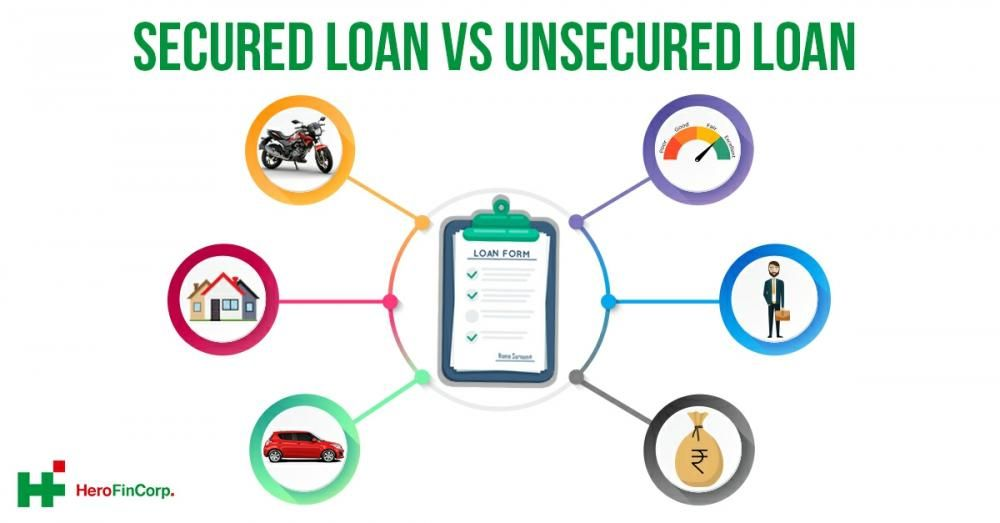
The concept of secured loan vs unsecured loan differences revolves around the presence or absence of collateral. A secured loan is backed by an asset that the lender can claim if the borrower fails to repay the loan. Common examples include home loans, car loans, and loans against property. Since the lender has security, these loans usually come with lower interest rates and higher borrowing limits. On the other hand, unsecured loans do not require any collateral. Personal loans, credit cards, and student loans are common examples. In unsecured loans, lenders rely heavily on the borrower’s credit score, income stability, and repayment history. Because there is no asset backing the loan, the risk for lenders is higher, which often results in higher interest rates and stricter approval criteria. Understanding secured loan vs unsecured loan differences helps borrowers evaluate risk levels, repayment responsibilities, and eligibility requirements before applying. While secured loans are more stable and cost-effective, they also carry the risk of asset loss. Unsecured loans offer flexibility but may become expensive over time due to higher interest rates.
Why is Secured Loan vs Unsecured Loan Differences Important?
Knowing secured loan vs unsecured loan differences is important because it directly affects your financial planning and risk exposure. Many borrowers choose loans based only on approval speed or loan amount without considering long-term consequences. This can lead to financial pressure later. Understanding the difference helps you choose the right loan based on your income, repayment capacity, and financial goals. For example, if you need a large amount for buying a house, a secured loan is more suitable due to lower interest rates. However, if you need quick cash for emergencies, an unsecured loan might be more practical. Another reason this knowledge is important is credit management. Unsecured loans depend heavily on credit score, so poor repayment can damage your financial profile. In contrast, secured loans can impact your assets if payments are missed. Therefore, learning secured loan vs unsecured loan differences helps you minimize risks, avoid debt traps, and maintain financial stability. It also allows you to compare lenders more effectively and choose the most cost-efficient option available in the market.
Detailed Step-by-Step Guide
Step 1: Assess Your Financial Needs
Before choosing any loan, evaluate why you need the money. Is it for buying a home, education, business, or emergency expenses? Secured loans are better for large, long-term needs, while unsecured loans suit short-term financial gaps.
Step 2: Check Your Credit Score
Your credit score plays a major role, especially in unsecured loans. A higher score increases approval chances and may reduce interest rates. Understanding secured loan vs unsecured loan differences helps you know where credit score matters more.
Step 3: Compare Interest Rates
Secured loans usually have lower interest rates because they are backed by collateral. Unsecured loans tend to be more expensive. Always compare multiple lenders before making a decision.
Step 4: Evaluate Collateral Risk
In secured loans, you risk losing your asset if you default. Make sure you are comfortable with this risk before proceeding.
Step 5: Check Repayment Terms
Look at loan tenure, monthly installments, and hidden charges. Longer tenures may reduce monthly burden but increase total interest.
Step 6: Choose the Right Loan Type
After analyzing all factors, decide based on your financial strength and purpose. This is where understanding secured loan vs unsecured loan differences becomes crucial.
Benefits of Secured Loan vs Unsecured Loan Differences
- Helps borrowers choose the right financial product based on need
- Encourages better financial planning and budgeting
- Reduces risk of default by understanding repayment responsibilities
- Allows comparison of interest rates and loan terms effectively
- Improves credit awareness and financial literacy
- Helps in long-term asset-based financial planning
- Supports better decision-making during emergencies
Disadvantages / Risks
- Secured loans risk loss of valuable assets if payments are missed
- Unsecured loans often come with higher interest rates
- Poor credit history can limit unsecured loan options
- Over-borrowing can lead to long-term financial stress
- Misunderstanding terms may result in hidden charges
- Fixed repayment obligations can affect monthly budgeting
Common Mistakes to Avoid
One of the most common mistakes borrowers make is ignoring the long-term cost of a loan. Many people focus only on monthly installments without calculating total interest. Another mistake is choosing unsecured loans for large expenses, which can lead to high repayment pressure. Some borrowers also fail to read loan terms carefully, missing hidden fees or penalties. Not comparing lenders is another major issue that can cost you more money. Additionally, many people do not fully understand secured loan vs unsecured loan differences, which leads to poor financial decisions. Avoiding these mistakes ensures better financial control and reduces unnecessary risk.
FAQs
1. What is the main difference between secured and unsecured loans?
The main difference is collateral. Secured loans require assets as security, while unsecured loans do not require any collateral.
2. Which loan has lower interest rates?
Secured loans generally have lower interest rates because they are backed by collateral.
3. Can I get an unsecured loan with low credit score?
It is difficult, as unsecured loans heavily depend on credit history and income stability.
4. What happens if I default on a secured loan?
If you default, the lender can seize the collateral used for the loan.
5. Are unsecured loans risk-free?
No, unsecured loans carry higher interest rates and can still affect your credit score if not repaid properly.
6. Which loan is better for emergencies?
Unsecured loans are usually better for emergencies due to faster approval and no collateral requirement.
Expert Tips & Bonus Points
Experts recommend carefully evaluating your repayment capacity before choosing any loan type. Always maintain a healthy credit score to access better unsecured loan offers. If you own valuable assets and need large funding, secured loans can save you money on interest. However, never risk an asset unless you are confident in repayment stability. Another important tip is to avoid borrowing more than necessary, as it increases financial pressure. Understanding secured loan vs unsecured loan differences in depth allows you to balance risk and affordability effectively. Also, always read the fine print and ask lenders about hidden charges before signing any agreement.
Conclusion
Choosing between secured and unsecured loans is one of the most important financial decisions a borrower can make. Both options serve different purposes and come with their own advantages and risks. Secured loans are ideal for long-term, high-value borrowing needs because they offer lower interest rates and higher limits. However, they require collateral, which adds risk. On the other hand, unsecured loans provide flexibility and faster access to funds but often come with higher costs. Understanding secured loan vs unsecured loan differences helps borrowers make informed decisions that align with their financial goals and repayment capacity. Instead of rushing into a loan agreement, it is always better to analyze your needs, compare options, and understand the long-term impact. A well-informed decision can protect your finances, improve your credit profile, and support your financial growth. Whether you are planning a major investment or handling a short-term expense, knowing the difference between these loan types will always give you an advantage in managing your money wisely.
