


Introduction
Managing money effectively is one of the most important financial skills in today’s world, especially when you are dealing with loans, credit cards, or installment-based purchases. Many people start repayment plans with good intentions but struggle to stay consistent over time. This is where smart budgeting becomes essential. When you apply proper budgeting tips to stay on track with repayment plans, you not only reduce financial stress but also gain better control over your income and expenses.
For many individuals, the challenge is not just earning money but allocating it wisely. Without a clear plan, repayments can become overwhelming, leading to missed payments, penalties, and increased debt. However, with a structured approach, it is possible to manage everything smoothly. Budgeting helps you prioritize essential expenses, set realistic repayment goals, and avoid unnecessary spending.
In this guide, you will learn practical and easy-to-follow strategies that can help you stay consistent with your repayment plans. These methods are suitable for beginners as well as those with some financial experience. By the end, you will have a clear understanding of how to create a sustainable system that supports your financial stability and long-term goals.
What is Budgeting Tips to Stay on Track with Repayment Plans?
Budgeting tips to stay on track with repayment plans refer to practical strategies that help individuals manage their income in a way that ensures timely debt repayments. It involves planning how much money should be allocated to essentials, savings, and repayments before spending on anything else.
This concept is not just about cutting expenses but about organizing your finances in a structured way. It ensures that repayment obligations such as loans, credit cards, or installment plans are given priority. When done correctly, it reduces financial pressure and prevents debt from accumulating further.
In simple terms, it is a method of financial discipline that helps you control spending habits while ensuring you meet your repayment commitments on time. It encourages awareness of income flow, expense tracking, and prioritization of financial goals.
Why is Budgeting Tips to Stay on Track with Repayment Plans Important?
Understanding the importance of budgeting tips to stay on track with repayment plans is crucial for long-term financial health. Without proper budgeting, it is easy to lose track of expenses and fall behind on payments.
Firstly, it helps prevent debt accumulation. When repayments are missed or delayed, interest and penalties increase the total amount owed. Secondly, it improves financial discipline by encouraging planned spending rather than impulsive decisions.
Moreover, it reduces stress and anxiety related to money management. Knowing that your repayments are under control gives peace of mind and stability. It also improves your credit score over time, which is important for future financial opportunities like loans or mortgages.
Lastly, it helps build a strong financial foundation. With consistent budgeting, you can gradually move from a debt-heavy situation to financial freedom.
Detailed Step-by-Step Guide
Step 1: Analyze Your Monthly Income
The first step is to understand your total monthly income. This includes salary, freelance earnings, or any other sources of income. Having a clear picture helps you decide how much you can realistically allocate toward repayments.
Step 2: List All Expenses
Write down all your monthly expenses including rent, groceries, utilities, transportation, and entertainment. This helps you identify unnecessary spending areas that can be reduced.
Step 3: Prioritize Repayments
Once expenses are listed, prioritize your repayment obligations. Loans, credit card bills, and installment payments should come before non-essential spending.
Step 4: Create a Budget Plan
Now allocate your income into categories such as necessities, repayments, savings, and discretionary spending. Make sure repayment amounts are fixed and not flexible.
Step 5: Track Your Spending
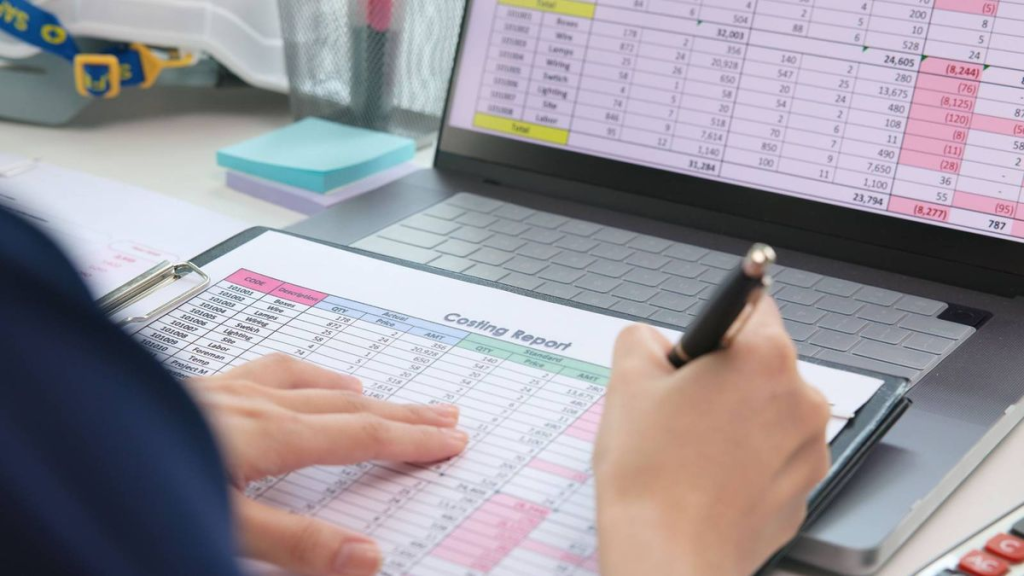
Keep a record of every expense. This helps you stay within your budget and avoid overspending. You can use a notebook or a simple tracking method.
Step 6: Adjust Monthly
Review your budget at the end of each month. If you overspent in one category, adjust the next month accordingly to stay balanced.
Benefits of Budgeting Tips to Stay on Track with Repayment Plans
- Helps maintain consistent repayment schedules
- Reduces financial stress and uncertainty
- Improves credit score over time
- Encourages disciplined spending habits
- Prevents unnecessary debt accumulation
- Builds long-term financial stability
- Increases savings potential
- Enhances financial awareness and control
Disadvantages / Risks
- Requires strict discipline and consistency
- May feel restrictive for some individuals
- Unexpected expenses can disrupt the plan
- Time-consuming to track all expenses
- Requires regular updates and adjustments
- Mistakes in planning can affect repayments
Common Mistakes to Avoid
One of the most common mistakes is ignoring small expenses. Even minor daily spending can add up and disturb your budget. Another mistake is not tracking expenses regularly, which leads to loss of control over finances.
Many people also underestimate their monthly costs, which results in unrealistic budgeting plans. Some individuals focus too much on cutting expenses and ignore repayment priorities, which can be harmful.
Another mistake is not adjusting the budget when income or expenses change. A rigid plan that is not updated becomes ineffective over time.
FAQs
1. What is the main purpose of budgeting for repayment plans?
The main purpose is to ensure timely repayment of debts while maintaining financial balance and avoiding unnecessary financial stress.
2. How can I start budgeting effectively?
Start by calculating your income, listing all expenses, and then allocating a fixed amount for repayments before anything else.
3. Can budgeting help reduce debt faster?
Yes, proper budgeting ensures that more funds are directed toward repayments, helping you reduce debt more efficiently.
4. What tools can I use for budgeting?
You can use simple notebooks, spreadsheets, or expense tracking methods to manage your budget effectively.
5. What should I do if I miss a repayment?
Review your budget immediately, adjust your expenses, and ensure future payments are prioritized to avoid further issues.
6. Is budgeting difficult for beginners?
No, it is simple once you start. With regular practice, it becomes a natural habit that improves financial control.
Expert Tips & Bonus Points
Experts recommend always setting aside a small emergency fund within your budget. This helps manage unexpected expenses without affecting repayment plans.
Another useful tip is to automate your repayments if possible. This reduces the risk of missing deadlines.
It is also beneficial to review your financial goals every few months. This ensures your budgeting strategy remains aligned with your current situation.
Additionally, avoid unnecessary lifestyle inflation when your income increases. Instead, focus on increasing savings and clearing debts faster.
Conclusion
Budgeting tips to stay on track with repayment plans are essential for anyone looking to achieve financial stability and reduce debt stress. By following a structured approach, you can manage your income more effectively and ensure that all repayment obligations are met on time.
The key to success lies in consistency and discipline. When you actively track your expenses, prioritize repayments, and adjust your budget regularly, you create a strong financial foundation for the future.
Although budgeting may require effort and commitment initially, the long-term benefits far outweigh the challenges. It not only helps you stay debt-free but also improves your overall financial confidence.
For Rana Sahab, applying these budgeting strategies can lead to better control over finances, https://en.wikipedia.org/wiki/Reductionstress, and a more secure financial future.
