

Introduction
Debt is often seen as something negative, something to avoid at all costs. However, the reality is more nuanced. Not all debt is harmful, and in many cases, borrowing money can actually help you build wealth and achieve long-term goals. This is where the concept of good debt vs bad debt becomes important, especially for beginners trying to understand personal finance.
When used wisely, debt can be a powerful financial tool. For example, taking a loan to invest in education or start a business can lead to higher income in the future. On the other hand, careless borrowing, such as overspending on credit cards, can trap you in a cycle of financial stress. Understanding the difference between good debt vs bad debt allows you to make smarter financial decisions and avoid unnecessary risks.
In today’s world, access to credit is easier than ever. From student loans to credit cards and personal loans, people are constantly making borrowing decisions. Without proper knowledge, it becomes easy to fall into bad financial habits. Therefore, learning how to distinguish between beneficial and harmful debt is essential.
This guide will explain everything you need to know about good debt vs bad debt in a simple and practical way. Whether you are just starting your financial journey or looking to improve your money management skills, this article will help you gain clarity and confidence.
What is Good Debt vs Bad Debt?
Good debt vs bad debt refers to the classification of borrowed money based on its impact on your financial future. In simple terms, good debt helps you grow financially, while bad debt holds you back.
Good debt is typically used for investments that can increase your income or value over time. For example, a student loan can help you get a higher-paying job, and a mortgage allows you to own a home that may appreciate in value. These types of debts are considered beneficial because they contribute to your long-term financial growth.
Bad debt, on the other hand, is usually associated with purchases that do not provide lasting value or generate income. Credit card debt from shopping, expensive gadgets, or luxury items often falls into this category. These purchases lose value quickly and leave you with ongoing payments and interest.
The key difference lies in the outcome. Good debt creates opportunities and builds wealth, while bad debt leads to financial strain and limits your ability to save or invest.
Understanding good debt vs bad debt is not about avoiding borrowing entirely. Instead, it is about making informed choices that align with your financial goals.
Why is Good Debt vs Bad Debt Important?
Understanding good debt vs bad debt is crucial for maintaining financial stability and achieving long-term success. Without this knowledge, it becomes easy to misuse credit and fall into financial trouble.
First, it helps you make better borrowing decisions. When you know the difference, you are more likely to take loans that add value to your life and avoid unnecessary expenses. This reduces the risk of accumulating unmanageable debt.
Second, it improves your financial planning. By focusing on good debt, you can invest in opportunities that increase your income or assets. At the same time, avoiding bad debt allows you to save more money and reduce financial stress.
Another important reason is interest management. Bad debt often comes with high interest rates, which can quickly grow and become overwhelming. Good debt, in contrast, usually has lower interest rates and more favorable terms.
Moreover, understanding good debt vs bad debt helps build a strong credit profile. Responsible borrowing and timely repayments improve your credit score, making it easier to access better financial opportunities in the future.
In short, this knowledge empowers you to take control of your financial life and avoid common mistakes that many people make.
Detailed Step-by-Step Guide
Step 1: Identify the Purpose of the Debt
Before taking any loan, ask yourself why you need it. Is it for an investment or a temporary desire? Debt used for education, business, or property is generally considered good. However, borrowing for non-essential items usually falls under bad debt.
Step 2: Evaluate the Return on Investment
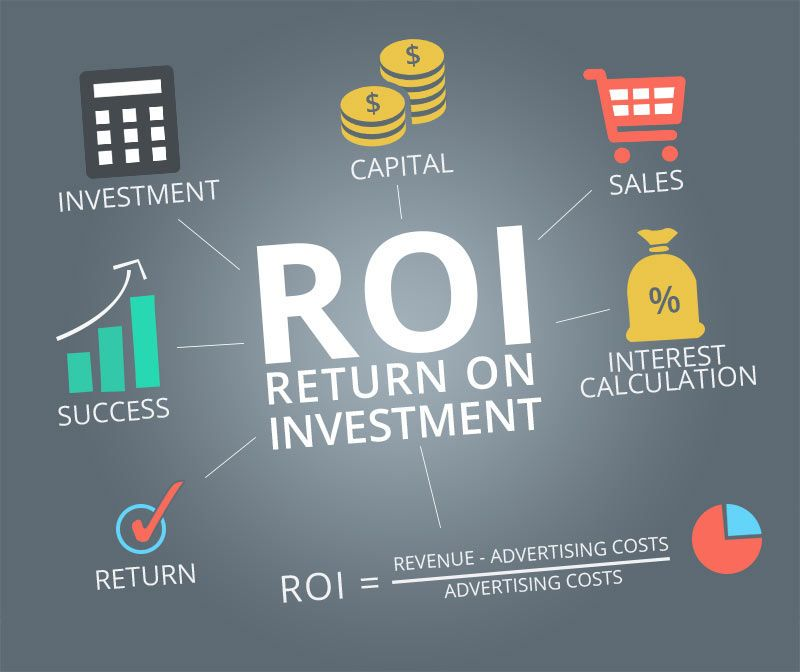
Good debt often provides a return in the future. For example, education can lead to higher earnings, and a business loan can generate profits. If the debt does not offer any financial return, it is likely bad debt.
Step 3: Check Interest Rates and Terms
Interest plays a major role in determining good debt vs bad debt. Lower interest rates and flexible repayment terms are characteristics of good debt. High-interest loans, especially credit cards, can quickly become a burden.
Step 4: Assess Your Repayment Ability
Always consider your income and expenses before taking on debt. Even good debt can become harmful if you cannot repay it on time. Make sure your monthly payments are manageable.
Step 5: Avoid Impulse Borrowing
Impulse decisions often lead to bad debt. Take time to think before making any financial commitment. Planning ahead can save you from unnecessary financial stress.
Step 6: Monitor Your Debt Regularly
Keep track of your loans and payments. This helps you stay organized and avoid missing deadlines. Regular monitoring also allows you to identify and eliminate bad debt quickly.
Step 7: Prioritize Paying Off Bad Debt
If you already have bad debt, focus on clearing it first. High-interest debts should be your top priority, as they grow faster and cost more over time.
Benefits of Good Debt vs Bad Debt
- Helps build long-term wealth through smart investments
- Improves financial discipline and decision-making
- Enables access to opportunities like education and property ownership
- Supports career growth and income increase
- Enhances credit score when managed responsibly
- Reduces financial stress by avoiding unnecessary liabilities
- Encourages better financial planning and budgeting
Disadvantages / Risks
- Misjudging good debt can still lead to financial trouble
- Overconfidence in borrowing may result in excessive debt
- Interest payments can accumulate over time
- Economic changes can affect returns on good debt investments
- Bad debt can damage your credit score significantly
- High-interest loans can become difficult to repay
- Poor financial planning may turn good debt into bad debt
Common Mistakes to Avoid
One common mistake is assuming all debt is bad. This mindset can prevent you from taking advantage of opportunities that require investment. Instead, focus on understanding the purpose and impact of each loan.
Another mistake is relying heavily on credit cards for daily expenses. While they offer convenience, they can quickly lead to high-interest debt if not managed properly.
Many beginners also ignore interest rates. Even a small difference in rates can have a big impact over time. Always compare options before borrowing.
Failing to create a repayment plan is another major issue. Without a clear plan, it becomes easy to miss payments and accumulate penalties.
Additionally, people often take loans without considering their income stability. This can lead to financial stress if circumstances change.
Lastly, mixing good debt with bad spending habits can create confusion. Always maintain discipline and separate essential investments from unnecessary purchases.
FAQs
1. What is the main difference between good debt vs bad debt?
The main difference lies in the outcome. Good debt helps you grow financially, while bad debt leads to financial loss and stress.
2. Is a credit card always considered bad debt?
Not necessarily. If used responsibly and paid off in full each month, a credit card can be a useful financial tool. However, carrying a balance often turns it into bad debt.
3. Can good debt become bad debt?
Yes, if not managed properly. For example, missing payments or borrowing more than you can afford can turn good debt into a burden.
4. Is a home loan considered good debt?
In most cases, yes. A home loan allows you to own property that may increase in value over time, making it a form of good debt.
5. How can I reduce bad debt quickly?
Focus on paying high-interest debts first, create a strict budget, and avoid taking new unnecessary loans.
6. Should I avoid debt completely?
No, avoiding all debt may limit your opportunities. The goal is to use debt wisely and differentiate between good debt vs bad debt.
Expert Tips & Bonus Points
Start by setting clear financial goals. Knowing what you want to achieve helps you decide whether a loan is necessary or not.
Always maintain an emergency fund. This reduces your dependence on borrowing during unexpected situations.
Try to negotiate better terms when taking loans. Lower interest rates and flexible repayment options can make a significant difference.
Use debt as a tool, not a habit. Borrow only when it adds value to your life.
Keep improving your financial knowledge. The more you learn, the better decisions you will make.
Consider consolidating high-interest debts into a single loan with lower interest. This can simplify repayment and reduce costs.
Lastly, stay disciplined. Financial success depends more on habits than income level.
Conclusion
Understanding good debt vs bad debt is one of the most important steps in building a strong financial foundation. It allows you to make smarter decisions, avoid unnecessary risks, and use borrowing as a tool for growth rather than a source of stress.
Good debt, when used correctly, can open doors to opportunities such as education, home ownership, and business growth. It helps you invest in your future and improve your overall financial position. However, it requires careful planning, discipline, and a clear repayment strategy.
On the other hand, bad debt can quickly become a burden. High-interest loans and unnecessary expenses can drain your resources and limit your ability to achieve your goals. Recognizing and avoiding these pitfalls is essential for long-term success.
The key is balance and awareness. Not all debt is harmful, but not all debt is beneficial either. By understanding the difference between good debt vs bad debt, you can take control of your financial life and make decisions that support your future.
In the end, financial success is not about avoiding debt completely. It is about using it wisely, staying disciplined, and continuously learning. With the right approach, you can turn debt into a powerful tool that works in your favor rather than against you.
