

Introduction
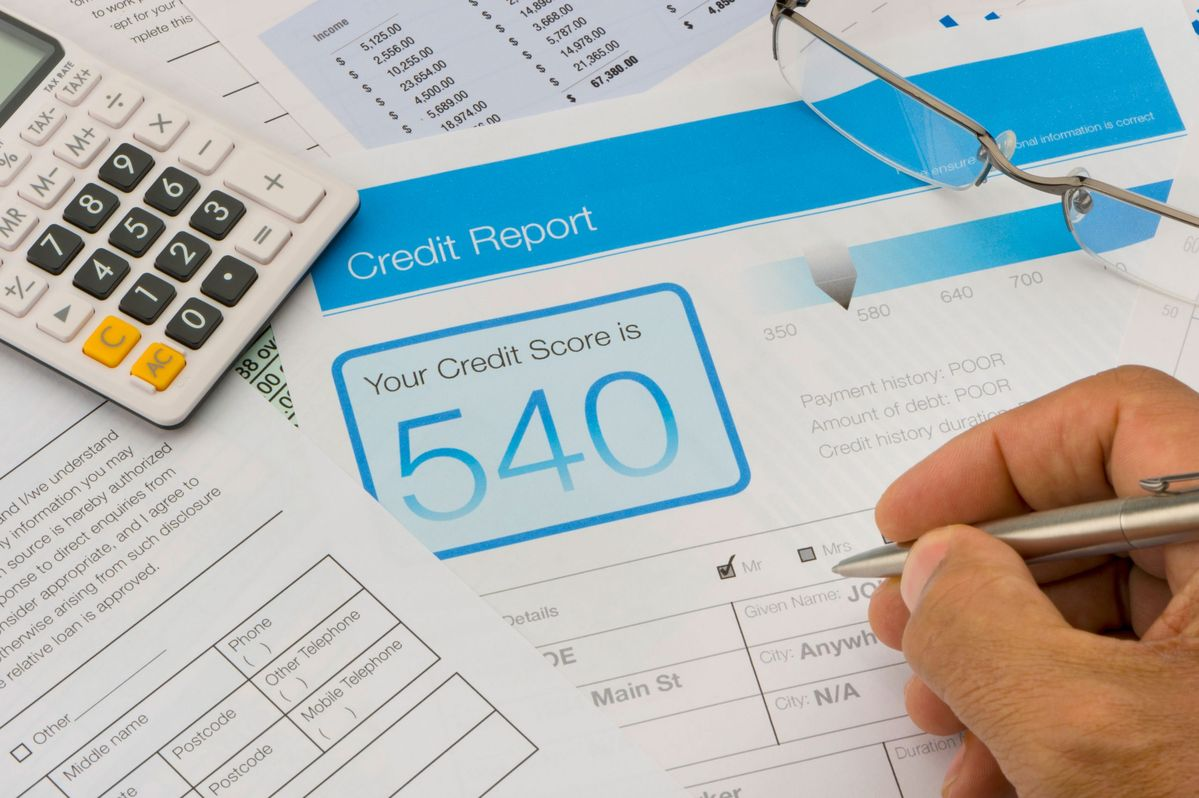
Your credit report plays a crucial role in your financial life. Whether you are applying for a loan, a credit card, or even renting an apartment, lenders and institutions rely heavily on this document. However, many people are unaware that credit reports often contain errors. These mistakes can negatively impact your credit score and lead to higher interest rates or even loan rejections.
Common credit report errors and how to fix them is a topic every individual should understand, especially beginners and those trying to improve their financial health. Even a small mistake, such as an incorrect account balance or a late payment that never happened, can damage your credibility.
Fortunately, you are not powerless. With the right knowledge and a step-by-step approach, you can identify and correct these errors effectively. Understanding the process helps you take control of your financial future. In this guide, you will learn what credit report errors are, why they matter, and exactly how to fix them. By the end, you will feel more confident in managing your credit profile and protecting your financial reputation.
What is Common Credit Report Errors and How to Fix Them?
Common credit report errors and how to fix them refers to identifying inaccuracies in your credit report and taking proper steps to correct them. A credit report is a detailed record of your borrowing and repayment history. It includes personal information, credit accounts, payment history, and inquiries.
Errors can occur for several reasons. Sometimes, lenders report incorrect data. In other cases, information may be outdated or mixed with another person’s profile. Identity theft can also lead to false entries appearing on your report.
Fixing these errors involves reviewing your report carefully, identifying inaccuracies, and disputing them with the relevant credit bureau or creditor. The process may seem complicated at first, but it becomes manageable once you understand the steps involved.
In simple terms, this topic is about protecting your financial identity and ensuring your credit history reflects accurate information.
Why is Common Credit Report Errors and How to Fix Them Important?
Understanding common credit report errors and how to fix them is essential for maintaining a strong financial profile. Your credit report directly influences your credit score, which lenders use to assess your reliability.
If your report contains errors, your score may drop unfairly. This can lead to higher interest rates, reduced credit limits, or rejection of applications. In some cases, it may even affect job opportunities or rental approvals.
Moreover, unresolved errors can remain on your report for years, causing long-term damage. Taking action early helps prevent bigger financial issues later.
Another important reason is identity protection. Spotting unfamiliar accounts or activities may indicate fraud. Fixing these issues quickly can save you from serious financial loss.
Ultimately, staying informed about common credit report errors and how to fix them empowers you to make better financial decisions and maintain control over your credit health.
Detailed Step-by-Step Guide
Step 1: Get Your Credit Report
Start by obtaining a copy of your credit report from major credit bureaus. Review reports from all available sources, as errors may appear in one but not others.
Step 2: Check Personal Information
Carefully examine your name, address, and identification details. Even small spelling mistakes or outdated addresses can lead to bigger issues.
Step 3: Review Account Details
Look at each account listed. Verify balances, payment history, and account status. Ensure that closed accounts are marked correctly and that there are no unfamiliar entries.
Step 4: Identify Errors
Mark any incorrect information. Common errors include duplicate accounts, incorrect late payments, or accounts that do not belong to you.
Step 5: Gather Supporting Documents
Collect documents that prove the error. This may include bank statements, payment receipts, or communication with lenders.
Step 6: File a Dispute
Submit a dispute to the credit bureau reporting the error. Clearly explain the issue and attach supporting documents.
Step 7: Contact the Creditor
In some cases, it is helpful to contact the creditor directly. They may correct the mistake faster if they acknowledge the error.
Step 8: Follow Up
Monitor the progress of your dispute. Credit bureaus typically take a few weeks to investigate and respond.
Step 9: Verify Corrections
Once the issue is resolved, check your updated report to ensure the correction has been made properly.
Step 10: Keep Records
Maintain copies of all correspondence and documents related to your dispute. This helps in case the issue reappears.
Benefits of Common Credit Report Errors and How to Fix Them
- Improves your credit score by removing inaccurate negative entries
- Increases chances of loan and credit approval
- Helps secure lower interest rates
- Protects against identity theft and fraud
- Provides a clearer financial picture
- Boosts confidence in financial decision-making
Disadvantages / Risks
- The dispute process can take time and patience
- Some errors may require multiple follow-ups
- Lack of proper documentation can delay resolution
- Temporary score fluctuations may occur during updates
- Misunderstanding the process may lead to incomplete corrections
Common Mistakes to Avoid
One of the biggest mistakes people make is ignoring their credit report entirely. Many assume everything is accurate without checking.
Another common error is failing to review reports from all credit bureaus. Since data may differ, checking only one report is not enough.
Some individuals also submit disputes without proper documentation. This weakens their case and can result in rejection.
Additionally, not following up on disputes can cause delays. Even after filing a complaint, staying involved is necessary.
Lastly, people often overlook small errors, thinking they are insignificant. However, even minor inaccuracies can impact your credit score over time.
FAQs
1. How often should I check my credit report?
You should check your credit report at least once a year. However, reviewing it more frequently helps catch errors early and monitor changes.
2. What are the most common credit report errors?
Common errors include incorrect personal details, duplicate accounts, wrong payment history, and accounts that do not belong to you.
3. How long does it take to fix an error?
Most disputes are resolved within 30 days. However, complex cases may take longer depending on the investigation.
4. Will fixing errors improve my credit score?
Yes, removing inaccurate negative information can significantly improve your credit score over time.
5. Can I fix errors on my own?
Yes, you can handle the dispute process yourself by contacting credit bureaus and providing necessary documents.
6. What if my dispute is rejected?
If your dispute is rejected, you can provide additional evidence and request a reinvestigation. Persistence is important in such cases.
Expert Tips & Bonus Points
Always keep your financial records organized. Having easy access to documents makes the dispute process smoother.
Set reminders to check your credit report regularly. Consistency helps you stay ahead of potential issues.
Use clear and concise language when filing disputes. Avoid unnecessary details and focus on facts.
Additionally, monitor your credit score alongside your report. This helps you understand the impact of corrections.
If you notice signs of identity theft, act immediately. Report the issue and secure your accounts to prevent further damage.
Finally, stay informed about your rights. Knowing your rights as a consumer gives you confidence when dealing with credit bureaus and lenders.
Conclusion
Understanding common credit report errors and how to fix them is an essential part of managing your financial health. Errors in your credit report can have serious consequences, from lowering your credit score to affecting your ability to secure loans or favorable interest rates. However, these issues are not permanent and can be resolved with the right approach.
By regularly reviewing your credit report, identifying inaccuracies, and taking timely action, you can maintain a clean and accurate financial record. The step-by-step process outlined in this guide makes it easier to handle disputes effectively. While the process may require patience, the long-term benefits far outweigh the effort.
Moreover, staying proactive helps you detect potential fraud and protect your identity. Financial awareness is a powerful tool, and understanding your credit report is a key part of it.
In the end, taking control of your credit report means taking control of your financial future. With consistent effort and attention, you can ensure that your credit profile accurately reflects your financial behavior and supports your goals.
